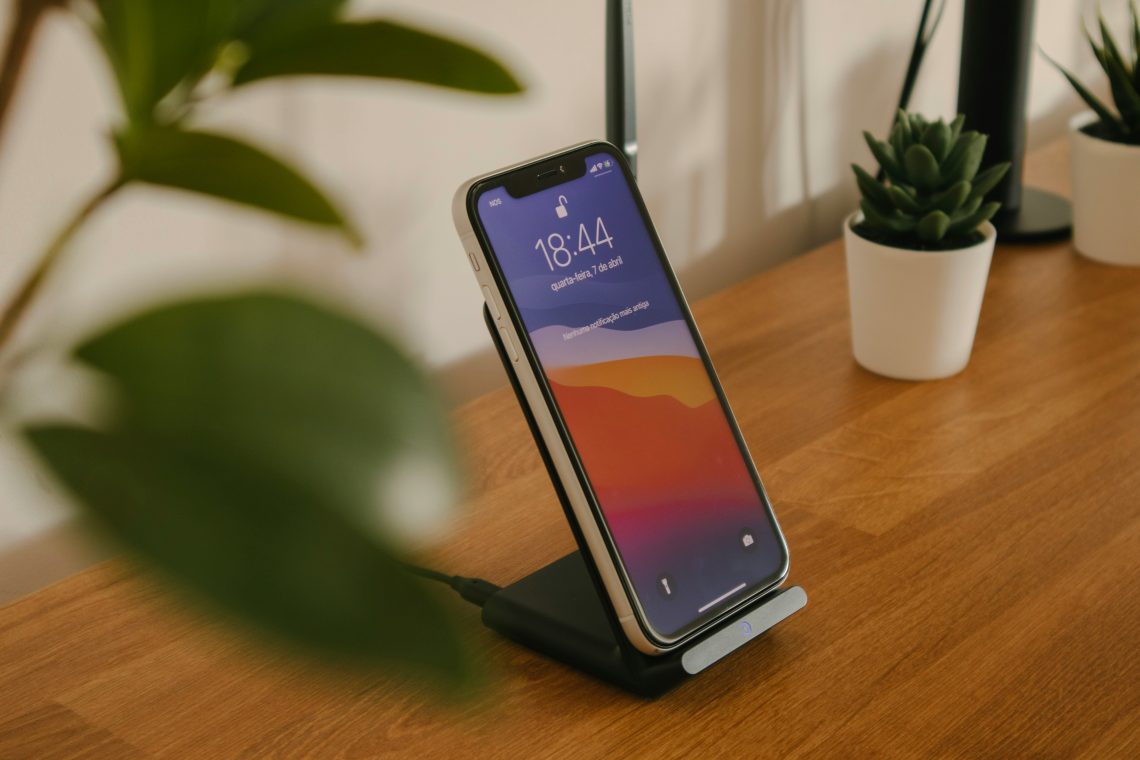
If you’ve ever looked down at your iPhone only to discover that the battery has dropped from 80% to 30% in what feels like no time at all, you’re not alone. Fast battery drain is one of the most common complaints among Apple users. Whether you own the latest iPhone or an older model, battery life issues can be frustrating and disruptive.
Many people assume that a rapidly draining battery means they need a new phone. In reality, several common settings, apps, and habits can significantly impact battery performance. Understanding the causes can help you extend battery life and improve your overall iPhone experience.
In this guide, we’ll explore the most common reasons your iPhone battery drains quickly and provide practical solutions that can help restore battery performance.
Why iPhone Battery Drain Happens
Your iPhone is essentially a powerful computer that constantly performs tasks in the background. From syncing emails and updating apps to tracking location data and maintaining network connections, numerous processes consume power throughout the day.
While some battery usage is expected, excessive drain usually points to specific issues that can often be fixed without replacing the device.
Background App Refresh Can Be a Major Battery Killer
One of the biggest hidden causes of battery drain is Background App Refresh. This feature allows apps to update content even when you’re not actively using them.
Social media apps, news apps, weather services, and messaging platforms frequently refresh data in the background. While convenient, these updates consume battery power continuously.
Solution
Open:
Settings → General → Background App Refresh
You can either disable the feature entirely or selectively turn it off for apps that don’t require constant updates.
Many users notice immediate battery improvements after limiting Background App Refresh.
Screen Brightness Drains More Power Than You Think
Your display is one of the most power-hungry components in your iPhone. Running maximum brightness throughout the day can dramatically shorten battery life.
This becomes especially noticeable when outdoors, where users often manually increase brightness to combat sunlight.
Solution
Enable Auto-Brightness:
Settings → Accessibility → Display & Text Size → Auto-Brightness
You can also reduce brightness manually from the Control Center whenever maximum brightness isn’t necessary.
Using Dark Mode may also help reduce battery consumption on OLED-equipped iPhones.
Location Services Often Run Continuously
Many apps request access to your location, but not all need constant tracking.
Weather apps, delivery services, social media platforms, fitness apps, and shopping apps often continue accessing location data even after you’ve stopped using them.
Solution
Go to:
Settings → Privacy & Security → Location Services
Review each app individually and choose:
- Never
- Ask Next Time
- While Using the App
Avoid selecting “Always” unless absolutely necessary.
Reducing unnecessary location tracking can significantly improve battery performance.
Push Email Can Drain Battery Throughout the Day
Push email continuously checks servers for new messages and delivers them instantly.
While convenient, constant communication between your phone and email servers can increase battery usage.
This is particularly true for users who manage multiple email accounts.
Solution
Navigate to:
Settings → Mail → Accounts → Fetch New Data
Switch from Push to Fetch and choose longer intervals such as:
- Every 30 Minutes
- Hourly
This small adjustment can noticeably reduce battery drain.
Poor Cellular Signal Uses More Battery
Many users overlook the impact of weak cellular coverage.
When your iPhone struggles to maintain a connection, it continually increases power output while searching for a stronger signal. This can quickly drain the battery.
You’ll often notice this problem in:
- Rural areas
- Large buildings
- Underground locations
- Crowded venues
Solution
When signal strength is poor and you don’t need connectivity, consider enabling Airplane Mode temporarily.
Connecting to reliable Wi-Fi can also reduce battery strain.
Excessive Notifications Add Up
Every notification wakes up your display, activates system processes, and sometimes triggers vibrations or sounds.
If dozens of apps are sending notifications throughout the day, battery consumption increases steadily.
Solution
Visit:
Settings → Notifications
Disable notifications for apps that don’t provide essential information.
Fewer notifications can lead to both better battery life and fewer distractions.
Software Bugs Can Cause Unexpected Battery Problems
Sometimes battery issues appear immediately after an iOS update.
New software releases occasionally contain bugs that increase background activity or create temporary battery optimization problems.
Apple typically addresses these issues through follow-up updates.
Solution
Always keep your iPhone updated:
Settings → General → Software Update
Installing the latest version of iOS often resolves battery-related bugs and performance issues.
Battery Health Naturally Declines Over Time
All rechargeable batteries degrade as they age.
Apple’s lithium-ion batteries are designed to retain a significant portion of their original capacity, but gradual wear is inevitable.
As battery health declines, you may notice:
- Faster battery drain
- Unexpected shutdowns
- Reduced performance
How to Check Battery Health
Open:
Settings → Battery → Battery Health & Charging
Look at Maximum Capacity.
Generally:
- 100%–90% = Excellent
- 89%–80% = Normal aging
- Below 80% = Consider replacement
Apple recommends battery replacement when capacity drops significantly and impacts daily use.
Too Many Widgets Can Impact Battery Life
Widgets provide quick information on your Home Screen and Lock Screen, but they also update periodically.
Weather, stocks, news, sports, and fitness widgets may constantly retrieve fresh data.
Solution
Remove widgets you rarely use.
Long press the widget and select Remove Widget.
Reducing widget activity can contribute to improved battery efficiency.
Bluetooth and Wi-Fi Settings Matter
Bluetooth and Wi-Fi are generally efficient technologies, but constantly searching for devices and networks can consume power.
This becomes more noticeable when you frequently move between locations.
Solution
Turn off Bluetooth when not needed.
Disable Wi-Fi in areas where you know no trusted networks are available.
These simple adjustments help eliminate unnecessary background activity.
Extreme Temperatures Can Damage Battery Performance
iPhones are designed to operate within specific temperature ranges.
Extreme heat is particularly harmful and can permanently reduce battery capacity.
Common situations include:
- Leaving a phone in a hot car
- Direct sunlight exposure
- Using intensive apps in hot environments
Cold temperatures can also temporarily reduce battery performance.
Solution
Keep your iPhone within recommended operating temperatures whenever possible.
Avoid charging in excessively hot conditions.
Protecting the battery from temperature extremes helps maintain long-term health.
Automatic Downloads Can Increase Power Consumption
Many users enable automatic app updates and downloads.
While convenient, these processes may occur throughout the day, consuming both battery and data.
Solution
Review:
Settings → App Store
Consider disabling:
- App Updates
- Automatic Downloads
Updating manually gives you greater control over battery usage.
Low Power Mode Is an Underused Feature
Apple includes a built-in tool specifically designed to extend battery life.
Low Power Mode reduces background activity, visual effects, mail fetching, and other battery-intensive processes.
Solution
Enable Low Power Mode:
Settings → Battery → Low Power Mode
Or add it to Control Center for quick access.
Many users can gain several additional hours of battery life simply by enabling this feature during heavy usage days.
When Should You Replace Your iPhone Battery?
Not every battery problem requires a new phone.
In many cases, replacing the battery restores excellent performance and extends the life of the device for several more years.
Consider battery replacement if:
- Battery health is below 80%
- The phone shuts down unexpectedly
- Charging cycles have significantly increased
- Daily battery life has become unacceptable
Battery replacement is often far less expensive than purchasing a new iPhone.
Final Thoughts
Fast iPhone battery drain is usually caused by a combination of settings, apps, and battery aging rather than a serious hardware defect. Features like Background App Refresh, Location Services, high screen brightness, constant notifications, and poor cellular signal can all contribute to excessive power consumption.
Fortunately, many battery issues can be resolved through simple adjustments that take only a few minutes to implement. Regularly reviewing your battery settings, keeping iOS updated, and monitoring battery health can help you get the most out of your device.
Before assuming you need a new iPhone, try the solutions outlined above. You may discover that a few small changes are all that’s needed to dramatically improve battery life and keep your Apple device running efficiently throughout the day.