
Okay, let’s just get real. Tech advice is everywhere—your friends, YouTube, random posts online—and honestly, half of it is straight-up wrong. Some of it even sounds super believable, so it sticks. I mean, I’ve caught myself believing a few of these myths, too, so don’t feel bad. Anyway, if you’re curious about the top 10 myths about battery drain from apps and other tech misconceptions, here’s the lowdown on what’s actually true. Spoiler: a lot of what you think you know is… not quite right.
Myth #1: More Megapixels Mean A Better Camera
Right, so everyone thinks a bigger megapixel number = better camera. That’s kinda what phone companies want you to think. But here’s the thing: megapixels are just… dots. A million dots doesn’t automatically make a photo awesome.
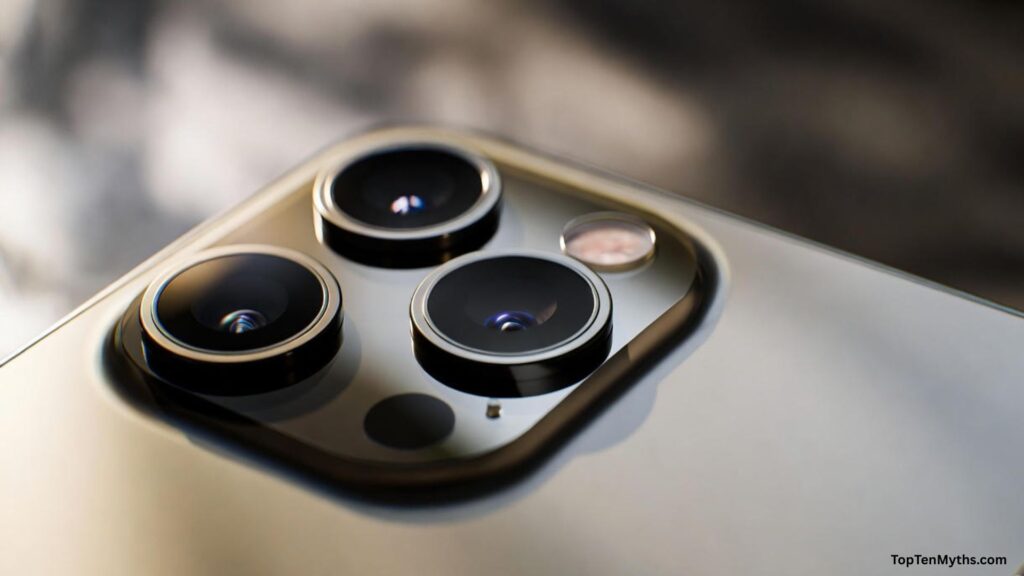
What really matters is the sensor size, the lens, and the phone’s image processing. Like, a phone with 12 megapixels and a big sensor can crush a 48-megapixel phone with a tiny sensor. Why? Because it’s about how much light you capture and how smart the software is at putting it all together.
Think of it like painting: you could have a million tiny brushes, but if your canvas is tiny and your paints are cheap, your painting isn’t gonna look good. More megapixels just sound impressive. That’s it.
Myth #2: You Should Always Fully Drain Your Battery Before Charging
This one’s funny because I remember being told this back in the day, and it stuck with me for years. “Drain it all the way, then charge!” That was true for old-school nickel batteries. But now? Phones use lithium-ion batteries, which are basically their own weird little creatures.
Draining them completely actually makes them wear out faster. Experts say to just keep your battery somewhere between 20% and 80%. Easy, right? Doesn’t mean you freak out if it hits zero sometimes, but doing that all the time? Bad idea.
I personally just plug in my phone whenever I think about it, like when I’m brushing my teeth or whatever. Keeps the battery happier in the long run.
Myth #3: Incognito Mode Makes You Anonymous Online
Ah yes, incognito mode—the holy grail of “I can do what I want online.” Nope. That little icon does one thing: your browser won’t save history or cookies. That’s literally it. Your ISP, your boss if you’re on a work network, and the websites you visit can still see you.
If you actually care about privacy, get a VPN. It hides your IP and encrypts your traffic. Incognito mode is basically just a way to pretend no one will see the embarrassing Amazon purchases you make at 2 AM.
Also Read: Top 10 Myths About Free Apps 2026
Myth #4: Closing Background Apps Speeds Up Your Phone
Oh man, this one makes me laugh. People are always like, “I’m closing all my apps to save battery and make my phone faster.” Except… modern phones are smart. They already manage background apps super efficiently.
Force-closing apps actually makes your phone work harder when you reopen them because it has to reload everything from scratch. It’s like throwing away your coffee cup right before taking another sip—you’re just creating more work.
Only close apps if they’re acting up or frozen. Otherwise, just… let your phone breathe.
Myth #5: More RAM Always Means A Faster Computer
RAM is important, yeah, but it’s not the whole story. You could have 64GB of RAM and still have a slow computer if your processor is old or you’re stuck on a spinning hard drive.
A balanced system is what matters. CPU, storage (SSD > HDD), and RAM working together. Even 16GB of RAM on a fast SSD and decent CPU can beat a RAM monster on an ancient setup. So don’t just obsess over RAM numbers.
Myth #6: Macs Don’t Get Viruses
This is one of the most dangerous myths, honestly. Macs do have strong security, yes, but they can absolutely get viruses and malware. There’s a ton of malware out there targeting macOS because Apple’s devices are popular.
So, don’t be lazy—update your system, watch what you download, maybe get antivirus software if you care. Macs are not magical shields.
Myth #7: Public Wi-Fi is Safe if It Has A Password
Nope. Just because some café Wi-Fi has a password doesn’t mean it’s secure. Hackers can intercept your data or set up a fake hotspot that looks identical.

If you have to use public Wi-Fi, don’t log into bank accounts or do sensitive stuff. And seriously, a VPN is your best friend here.
Myth #8: Overnight Charging Ruins Your Battery
This one is everywhere, and it freaks people out. Truth? Modern devices stop charging once they hit 100% and only trickle when needed. Leaving your phone on the charger overnight occasionally won’t kill it.
The only issue is heat—so don’t bury it under your pillow or something. Otherwise, chill. Your phone is smarter than we give it credit for.
Myth #9: Higher Internet Speeds Mean Faster Wi-Fi Everywhere
Nope. Wi-Fi is tricky. Even if you pay for 1Gbps internet, it doesn’t mean every corner of your house is gonna be blazing fast. Router placement, walls, interference, and number of devices all matter.
If your Wi-Fi sucks in certain rooms, upgrade your router or try a mesh network. It’s not always the internet plan that’s the problem. Think of it like water pressure: you can’t get full pressure if your pipes are blocked.
Myth #10: Leaving Bluetooth or Wi-Fi On Drains Your Battery
This is a classic from back in the day. Old phones? Yeah, leaving Bluetooth or Wi-Fi on would eat battery. Now? Not really. Modern phones have low-energy Bluetooth and Wi-Fi chips that barely do anything when idle.
Honestly, constantly turning them on and off probably wastes more battery than just leaving them on. Unless you’re like… trying to squeeze every last percentage out of your phone, it’s not worth thinking about.
The Wrap-Up
So yeah, tech myths are everywhere. Some are old, some are just plain wrong. The point is, don’t believe everything you hear—test things, read a bit, and make your own calls.
Tech should make your life easier, not more stressful. So next time someone tells you overnight charging is killing your battery or Macs never get viruses, just smile and shake your head. You’re in the know now.
Frequently Asked Questions (FAQs)
Q. Do apps really drain my battery if I leave them open in the background?
Ans: Not as much as you think. Modern smartphones are designed to manage background apps efficiently. Closing them manually usually doesn’t save much battery and can even make your phone work harder when you reopen the apps. Only force-close apps that are frozen or misbehaving.
Q. Does turning off Wi-Fi or Bluetooth actually save battery?
Ans: Not really. Modern phones use low-energy chips for Wi-Fi and Bluetooth, so leaving them on doesn’t drain your battery significantly. Constantly turning them on and off may actually use more power in the long run.
Q. Will a high number of apps installed slow down my phone?
Ans: Having a lot of apps installed doesn’t automatically slow down your phone. What matters more is what’s running in the background and how your phone’s system manages memory and processes.
Q. Do social media apps drain more battery than others?
Ans: Some apps, especially ones that use location, video, or constant notifications, can drain battery faster. But it’s usually a combination of factors, including screen-on time, background activity, and push notifications.
Q. Are battery-saving modes worth using?
Ans: Yes, battery-saving modes can help extend battery life by limiting background activity, reducing screen brightness, and throttling performance. But they’re not magic—they won’t fix a dying battery or poor charging habits.